You signed the lease in April. The check cleared, the gate code is in your phone, and you have not set foot on the property since. If that sounds familiar, you are already behind — and not because the rut is close. It's because the single best stretch for learning a new piece of ground is happening right now, in June, while every other hunter is mowing the lawn and waiting for an October cold front.
Public-land hunters obsess over summer scouting because they have to share their dirt with a crowd. As a lease holder, you have the opposite problem and the opposite advantage: the ground is yours alone for months, and almost nobody uses that window. Summer is when you turn a name on a map into a property you actually understand. Here is the step-by-step plan to do it before the leaves even think about turning.
Why summer is the season you should be "hunting"
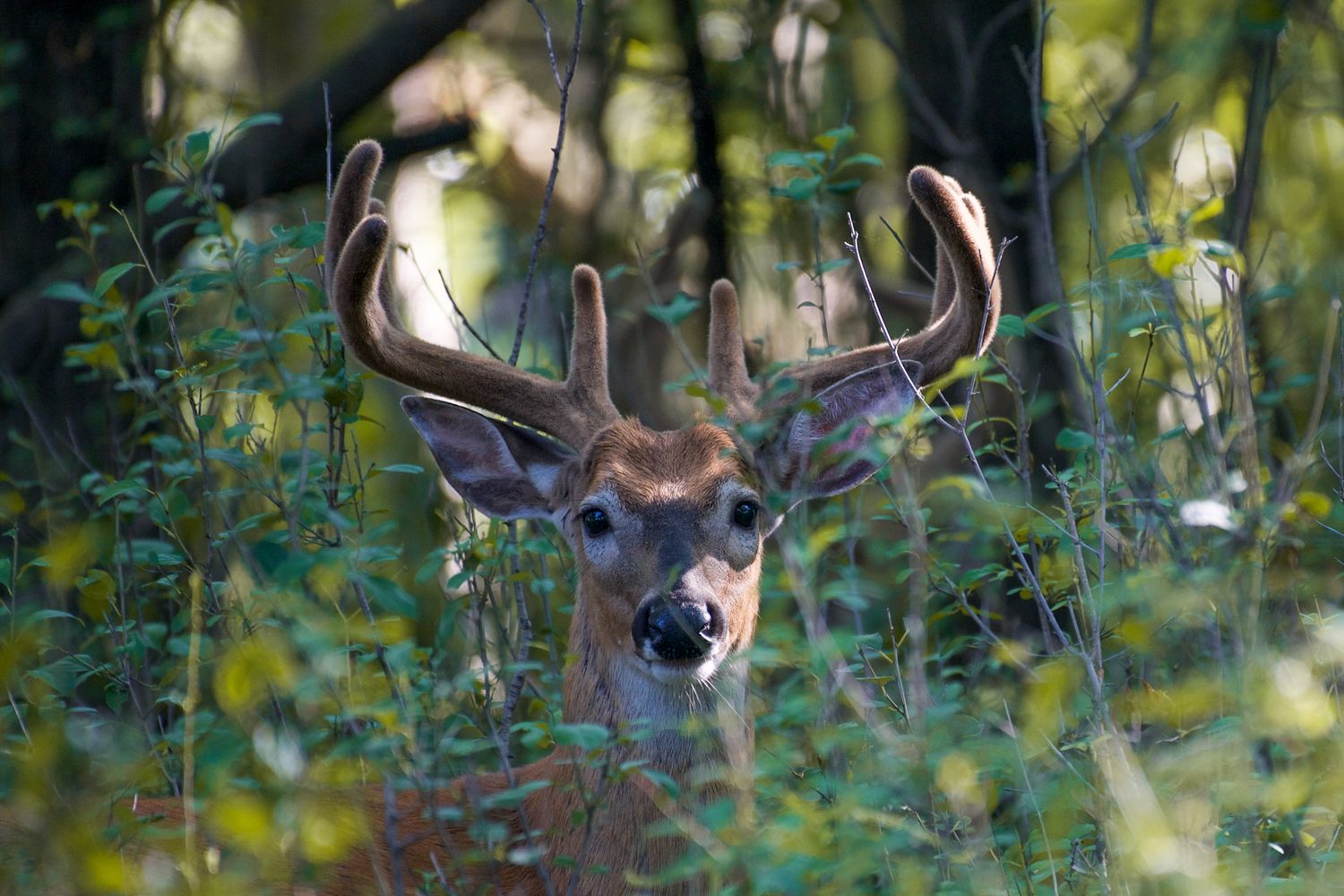
Deer in June are predictable in a way they never will be again. Bachelor groups of bucks are locked onto high-protein food, they move in daylight because pressure is zero, and they hold loose summer patterns you can document without bumping them. You are not trying to kill anything yet — you are building an inventory and a map of how deer actually use the property. Every hour you bank now is an hour you don't waste blundering around in September spooking the exact deer you're after.
The clock matters more than most hunters admit. If you wait until August to hang cameras and walk the ground, you cut your intel-gathering window in half and you do your intrusive scouting right as bucks start shifting toward fall ranges. Start in June and you get a long, low-pressure runway. That's the whole edge of leasing private ground — a lot changes when you move off public land, and uninterrupted summer access is the change most people fail to cash in on.
Step 1: Scout from your couch before you scout with your boots
The first pass over a new lease should never be on foot. You'll learn more in an hour with maps than in a full day of aimless walking, and you won't leave a scent trail doing it.
Pull every layer you can find
Open up satellite imagery, topographic lines, and a hybrid view side by side. Aerial photos show you cover types — ag fields, cutovers, mature timber, thickets. Topo lines show you the terrain that funnels deer regardless of the season: saddles, benches, points, ditches, and creek bottoms. Free tools like Google Earth and USGS topo quads are fine for a first look, but you'll want everything stitched together in one place. The HuntLease Scouting maps let you drop pins, draw boundaries, and layer terrain and habitat on a single view so your whole plan lives in one spot instead of three browser tabs.
Mark the non-negotiables
On that map, tag five categories of feature before you ever drive out:
- Food. Crop fields, clover, food plots, oak flats, recent cutovers with browse.
- Water. Creeks, ponds, springs, and shaded mud holes — magnets in summer heat.
- Bedding. Thick, nasty cover deer feel safe in: cedar thickets, CRP, clearcuts, brushy points.
- Edges and pinch points. Where two habitat types meet, and any terrain that squeezes movement — a fence gap, a creek crossing, a narrow strip of timber between two fields.
- Access. How you get to each spot without crossing food or bedding. This is the line most hunters never draw, and it's the one that gets them busted.
The goal is a working theory: food here, bedding there, and the travel between them runs through these three pinches. Everything you do on the ground from here is just confirming or killing that theory.
Step 2: Hang trail cameras now — not in August
Cameras are how you watch the property when you're not there, and June is the time to deploy them. Hang un-baited cameras on your highest-confidence spots and let them soak with as little human intrusion as possible. The longer they run, the more complete your inventory.
Three placements earn their keep in summer:
- Field edges and food. The obvious one. Bean fields, clover, and plot corners will show you which bucks are on the property and roughly when they move.
- Water. A camera on a creek crossing or stock pond runs 24/7 and catches deer that never show on the field before dark.
- Staging and travel. Reverse-engineer the trail from bedding to food and put a camera in that transition. This is where you catch the older bucks that only hit the field after legal light — the deer most hunters never knew were there.
Don't just collect cute velvet pictures. Log the date, time, wind, and location for every mature buck. Patterns you can't see in a single photo jump out across a few weeks of data. If you want that legwork done for you, the HuntLease Field Ready Score folds weather and movement signals into a daily read on when deer are most likely to be on their feet, which pairs neatly with what your cameras are telling you. We broke down how that works in the science behind the Field Ready Score.
Step 3: Glass from the road
The least invasive scouting you can do is from your truck. On summer evenings, deer pour into open fields to feed while there's still shooting light. Park at a distance, get behind your binoculars, and watch. You'll confirm which fields hold deer, count antler points without ever leaving a track, and start matching the bucks on your camera cards to the dirt they actually use. Do this a half-dozen evenings through July and you'll have a bachelor-group census that cost you nothing but gas and patience.
Step 4: Make one careful walk — then get out
Eventually you have to put boots on the ground, but on a lease you can afford to be surgical about it. Pick a hot, midday window after a rain so your scent dissipates fast, and plan a single efficient loop that hits your map's key features. The mission is not to see deer. The mission is to read the property and confirm your theory.
Read last year's sign
Old rubs, faded scrapes, pounded trails, and bedding ovals from last fall are still legible in summer. A rub line tells you a travel direction. A cluster of beds on a shaded point tells you where deer feel safe. Plug every observation back into your map. You're reading a story the previous season already wrote for you.
Plan access and stand sites in the same trip
While you're out there, settle the question that decides most hunts before they start: how do you slip into each spot with the wind in your face and without crossing bedding or food? Flag two or three stand or blind locations and the quiet entry route to each. Tie your wind thinking to the prevailing patterns for your region — our stand placement and prevailing winds guide walks through that by area. Then leave, and let the place go quiet again until the season is close.
Step 5: Build your hit list and your fall plan
By late summer you should be holding three things: a roster of the bucks using the property, a map marked with food, water, bedding, travel, and access, and two or three stand setups ready to hunt. That's a hit list and a game plan — the exact assets that separate hunters who fill tags on a new lease from those who spend the first season just figuring the place out.
From here it's about timing your entries to the calendar. The summer pattern won't survive the first hard frost and the pre-rut shuffle, so treat your June and July intel as the foundation, not the finished blueprint. When the seasons shift, lean on a structured plan like our 6-week pre-rut to post-rut game plan and your e-scouting homework from our complete guide to e-scouting.
Don't have a lease yet? Summer is the time to lock one in
Every tactic above assumes you have ground to scout. If you don't, the off-season is exactly when you should be securing it — the best leases get claimed long before opening day, and walking onto a property in June gives you a full summer to do the work above. Browse what's available near you on the HuntLease listings marketplace, and if you're weighing what a lease should cost before you commit, run the numbers through our free lease price calculator. Landowners sitting on huntable acreage can flip the same logic: summer inquiries are how you fill a lease for fall, and our landowner guide covers listing your ground the right way.
The bottom line
A hunting lease is only as good as how well you know it, and the knowing happens in the off-season. Spend June and July with maps, cameras, and binoculars, make one careful walk, and you'll start the season hunting deer instead of hunting for deer. The hunters who tag out on new ground didn't get lucky in October — they did the work in July.
Ready to put a property under your boots this summer? See the leases available near you, or find out what fair lease pricing looks like in your area before you sign.