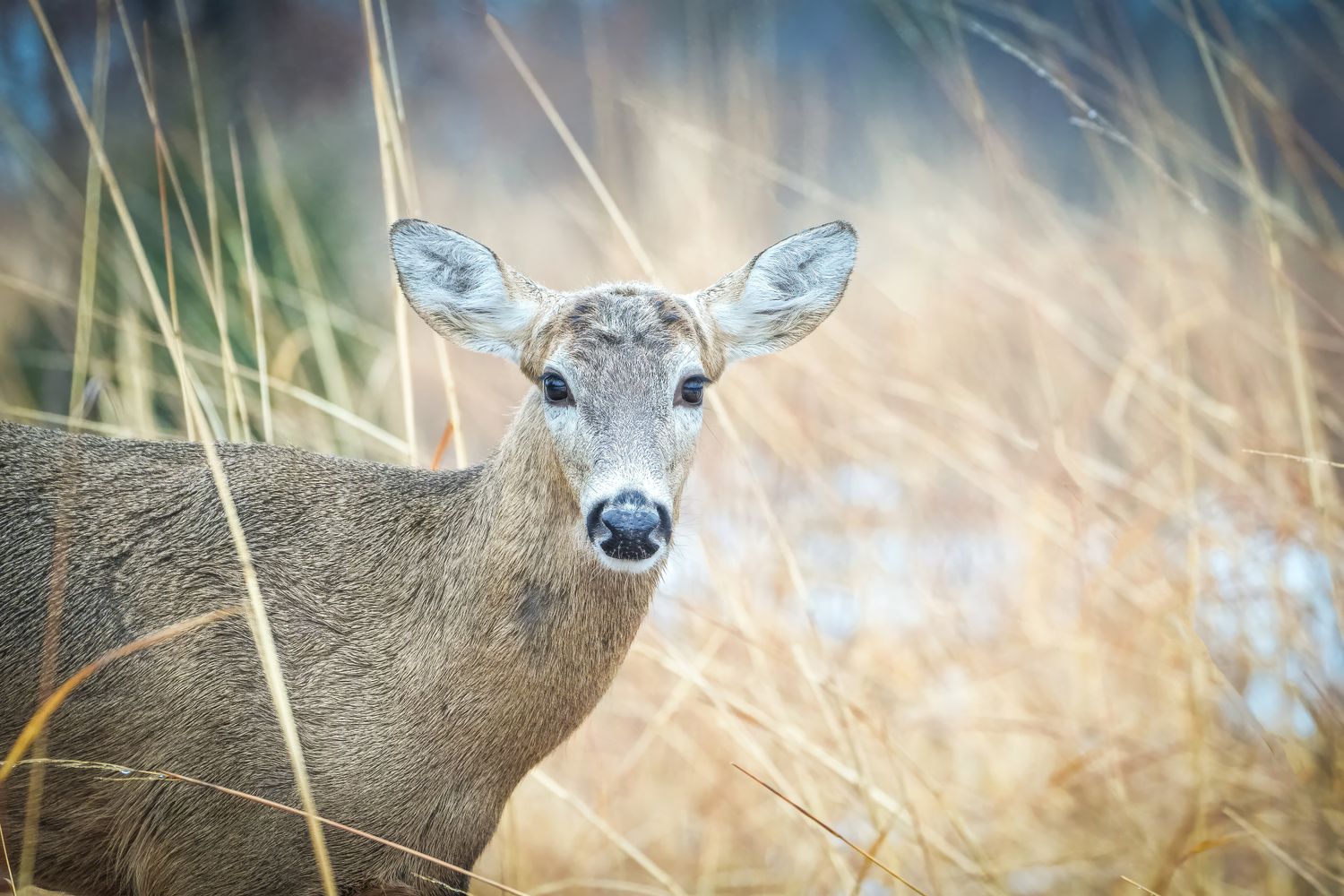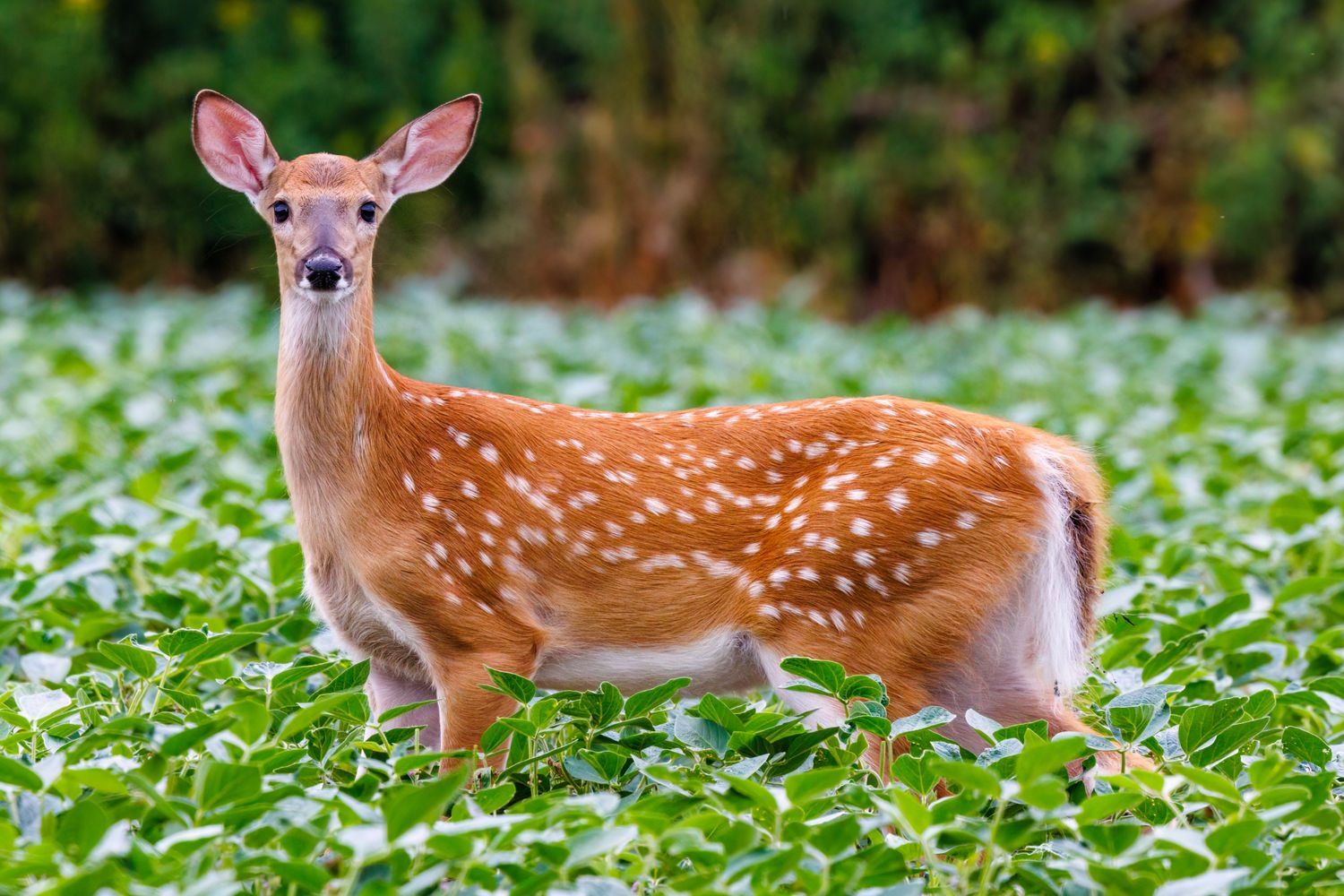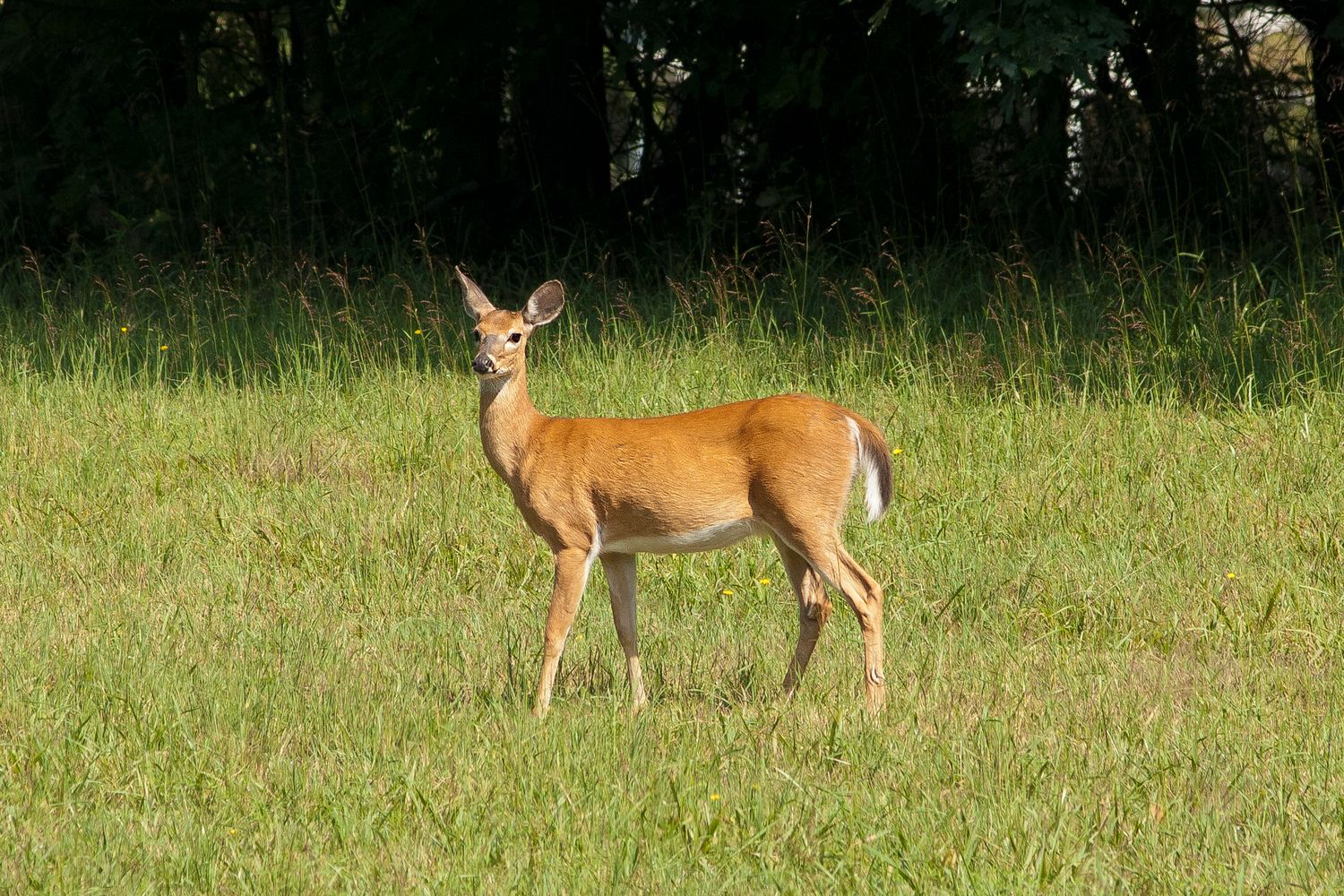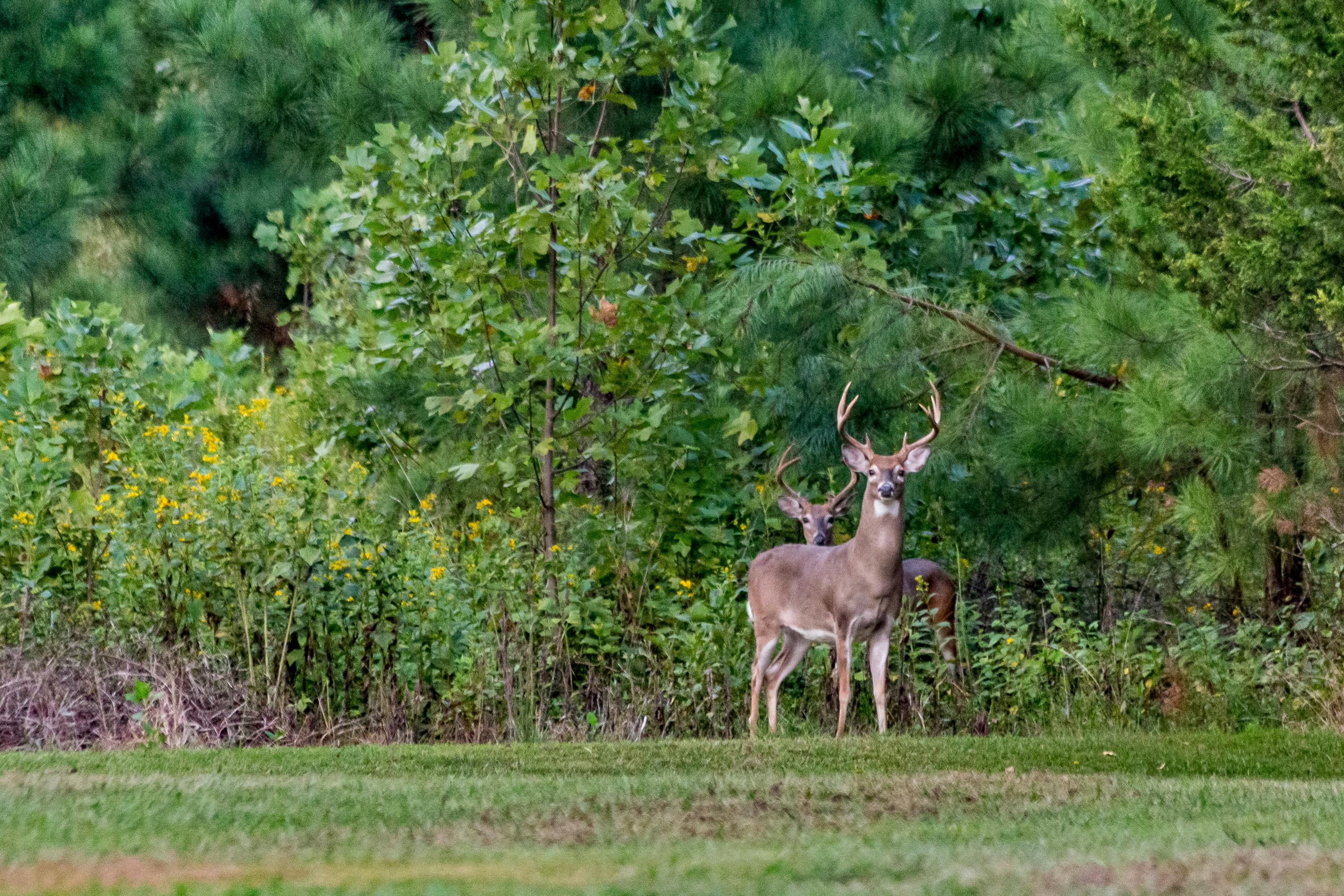
Pennsylvania isn't just a hunting state—it's the hunting state. With over 500,000 licensed hunters taking to the woods each year and a recent harvest of 476,880 deer (the highest since 2002), the Keystone State represents both incredible opportunity and intense competition for access to quality hunting land.
For landowners, this hunting pressure translates to opportunity. Pennsylvania hunters spend hundreds of millions annually on equipment, processing, travel, and land access—and much of that money flows directly through rural communities where hunting leases are most prevalent.
For hunters, the challenge is clear: with the highest hunter density of any state in the nation and limited private land available, securing exclusive access to quality hunting property can mean the difference between a season of frustration on crowded public land and the buck of a lifetime on private ground.
Whether you own property in Lancaster County's agricultural paradise, manage timber in the Allegheny National Forest region, or hunt the ridges of south-central Pennsylvania, this guide will help you understand the Pennsylvania hunting lease market in 2025.
We'll cover:
Current hunting seasons and regulations specific to Pennsylvania
Lease pricing benchmarks by region and county
The best counties for trophy whitetails, bears, and turkeys
CWD Disease Management Areas and associated regulations
Legal considerations unique to Pennsylvania
How to structure and market your PA hunting lease
Sunday hunting laws and opportunities
Let's dive in.
Pennsylvania Hunting Quick Facts
Before we get into pricing and specifics, here's what makes Pennsylvania's hunting scene unique:
By the Numbers:
500,000+ licensed hunters annually (highest density per square mile in the nation)
476,880 deer harvested in 2024-25 (11% increase from previous year, highest since 2002)
175,280 antlered deer taken in 2024-25 (28% success rate—highest since the 1980s)
67 counties with varying deer populations and hunting pressure
1.5+ million acres of public hunting land (state game lands, state forests, Allegheny National Forest)
10 CWD Disease Management Areas covering approximately 1/3 of the state
#1 nationally in buck harvest per square mile
#2 nationally in overall antlerless harvest
283,789 pounds of venison donated to food banks in 2024 (record-breaking)
What Hunters Pursue:
White-tailed deer (primary species)
Wild turkey (spring and fall seasons)
Black bear (growing population, especially northern counties)
Small game (squirrels, rabbits, grouse, woodcock, pheasants)
Elk (limited lottery system in north-central counties)
Waterfowl (ducks, geese in suitable habitat)
What Makes PA Special:
Antler Point Restrictions (APRs): Most of the state requires 3 points to a side; select western WMUs require 4 points to a side
Trophy potential: Two of every three bucks harvested are now 2.5+ years old thanks to APRs
Sunday hunting: Limited to specific species and dates (foxes, coyotes, crows year-round; deer on select Sundays)
Diverse habitat: From southeastern ag land to northern big woods to Allegheny plateau
Ag Tag program: Agricultural Deer Control permits available through participating landowners
What Pennsylvania Hunting Leases Cost in 2025
Let's cut to the chase: Pennsylvania hunting leases average $10-30 per acre annually, with premium properties commanding $30-50+ per acre.
But that range is deceptively broad. Your specific property could be worth significantly more or less depending on:
Location (southeastern ag counties vs. northern forests)
Proximity to major metro areas (Philadelphia, Pittsburgh corridors)
Deer population density (WMUs 5C, 2A, 2D have high densities)
Trophy potential (mature buck age class, quality habitat)
CWD status (properties in DMAs may see slight reduction in demand)
Access and amenities (road access, existing blinds/stands, water, power)
Property size (larger properties often command lower per-acre rates but higher total lease value)
Competing pressure (proximity to heavily-hunted public land can increase value)
Quick Reference:
| Location Type | Average $/Acre | Premium $/Acre | Total Annual (100 acres) |
|---|---|---|---|
| Southeastern AG (York, Lancaster, Chester) | $25-40 | $40-50+ | $2,500-$4,000+ |
| South-central (Adams, Franklin, Cumberland) | $20-30 | $30-45 | $2,000-$3,000 |
| Western (Allegheny, Washington, Westmoreland) | $20-35 | $35-50 | $2,000-$3,500 |
| Northern "Big Woods" (Potter, McKean, Elk) | $10-18 | $18-30 | $1,000-$1,800 |
| North-central (Clearfield, Centre, Clinton) | $12-22 | $22-35 | $1,200-$2,200 |
| Northeastern (Luzerne, Wayne, Pike) | $15-25 | $25-40 | $1,500-$2,500 |
| Northwestern (Crawford, Erie, Mercer) | $15-25 | $25-35 | $1,500-$2,500 |
Important Note: These are general ranges based on marketplace data and hunter forums. Your specific property's value depends on its unique characteristics and local competition.
Regional and County-Specific Pricing Breakdown
Pennsylvania's diverse geography creates distinct regional hunting markets. Let's break down what hunters are paying across the state:
Southeastern Pennsylvania (Premium Agriculture Zone)
Counties: Berks, Bucks, Chester, Lancaster, Lehigh, Montgomery, Northampton, York
Average Range: $25-40 per acre
Premium Properties: $40-50+ per acre
Why Higher:
Proximity to Philadelphia and NYC markets drives demand
Smaller average property sizes (scarcity premium)
Excellent deer populations (historically high deer densities)
Mix of agricultural land and woodlots = optimal habitat
Long hunting tradition in these counties
Trophy potential (mature bucks common due to private land management)
Market Reality: York and Lancaster counties see some of the highest rates in the state. Forum posts report $30-40/acre as standard, with properties near prime areas going for $40-50/acre. A 100-acre property in southern Lancaster County could easily command $3,500-$4,500 annually.
Chester County, being close to Philadelphia's Main Line, sees premium pricing but limited availability. Bucks County similarly commands top dollar due to suburban hunting pressure.
Example: 150 acres in York County with mixed woods, CRP fields, and creek = $5,250-$6,000/year ($35-40/acre)
South-Central Pennsylvania (CWD Management Zone)
Counties: Adams, Bedford, Blair, Cumberland, Franklin, Fulton, Perry, Somerset
Average Range: $15-30 per acre
Premium Properties: $25-40 per acre
Why Moderate:
Many counties fall within CWD Disease Management Area 2
CWD restrictions (no urine attractants, no feeding, testing requirements)
Still excellent hunting, but hunters are cautious about CWD
Mix of agriculture and mountain terrain
Strong deer populations despite management efforts
Market Reality: Despite CWD presence, south-central PA still produces quality bucks. Adams and Franklin counties (Gettysburg area) command higher prices ($25-35/acre) due to agricultural habitat and proximity to Maryland/DC hunters. Blair, Bedford, and Somerset counties in the mountain regions see more moderate rates ($15-25/acre).
Cumberland County, closer to Harrisburg, sees higher demand and pricing ($25-35/acre) similar to its southeastern neighbors.
Example: 200 acres in Adams County with corn fields, apple orchards, and hardwoods = $5,000-$6,000/year ($25-30/acre)
Western Pennsylvania (Emerging Trophy Zone)
Counties: Allegheny, Armstrong, Beaver, Butler, Clarion, Indiana, Washington, Westmoreland
Average Range: $20-30 per acre
Premium Properties: $30-50 per acre
Why Higher (and Rising):
Allegheny County historically produces most Boone & Crockett bucks in PA
Proximity to Pittsburgh market
Mix of ag land, old strip mines, and hardwood ridges
Deer recovering from past pressure = more mature bucks
Limited public land in some counties increases private land value
Market Reality: Allegheny County commands premium prices ($30-45/acre) due to trophy potential and limited available land. Washington and Westmoreland counties see similar rates ($25-35/acre).
Armstrong, Butler, Clarion, and Indiana counties offer more affordable options ($18-28/acre) but still produce quality deer.
Example: 120 acres in Washington County with reclaimed mine land and hardwoods = $3,000-$3,600/year ($25-30/acre)
Northern "Big Woods" Region (Value + Challenge)
Counties: Potter, McKean, Elk, Warren, Cameron, Tioga
Average Range: $10-18 per acre
Premium Properties: $18-30 per acre
Why Lower Per-Acre (But Unique Value):
Large tracts (properties often 200-500+ acres)
Lower deer density than southern counties
Rugged, mountainous terrain
Abundant public land (Allegheny National Forest, state forests)
Remote locations = less competition but harder hunting
Why Trophy Hunters Love It:
Bucks that survive here get OLD (3.5-5.5+ years common)
Recent reports of 150-170" bucks from this region
4 of the 15 Pennsylvania bucks scoring over 170 B&C came from McKean County
True wilderness hunting experience
Black bear and elk opportunities (elk lottery in Elk County)
Market Reality: Potter and McKean counties see $10-15/acre for large timber tracts. Properties with recent logging, food plots, or exceptional access command $18-25/acre.
This region appeals to serious hunters willing to work hard for mature bucks in big country.
Example: 300 acres in Potter County bordering state forest = $3,600-$4,500/year ($12-15/acre)
North-Central Pennsylvania (Mixed Opportunity)
Counties: Centre, Clearfield, Clinton, Lycoming, Union, Snyder, Northumberland
Average Range: $12-22 per acre
Premium Properties: $22-35 per acre
Why Variable:
Mix of big woods (northern portions) and agricultural valleys (southern portions)
Some areas in CWD DMAs (affects pricing)
Penn State area (Centre County) sees higher demand
Varied terrain creates hot spots and slow zones
Market Reality: Properties near State College or in agricultural valleys command $20-30/acre. Remote timber tracts in northern portions see $12-18/acre. Clearfield County sees lower rates due to CWD presence in some areas.
Example: 175 acres in Centre County with mix of hardwoods and hay fields = $3,500-$4,200/year ($20-24/acre)
Northeastern Pennsylvania (Growing Market)
Counties: Carbon, Columbia, Luzerne, Pike, Schuylkill, Wayne, Wyoming
Average Range: $15-25 per acre
Premium Properties: $25-40 per acre
Why Moderate-to-High:
Proximity to NYC/New Jersey market (Pike County especially)
Mix of Pocono tourist traffic and serious hunting
Recent CWD detections creating new DMAs (may temporarily soften prices)
Diverse habitat from ag valleys to mountain laurel thickets
Market Reality: Pike County commands premium ($25-35/acre) due to NYC weekend warrior market. Wayne County similar. Luzerne, Carbon, and Schuylkill counties see $18-28/acre depending on location and CWD status.
Example: 80 acres in Pike County with creek bottom and ridge top = $2,000-$2,800/year ($25-35/acre)
Northwestern Pennsylvania (Consistent Performer)
Counties: Crawford, Erie, Forest, Mercer, Venango
Average Range: $15-25 per acre
Premium Properties: $25-35 per acre
Why Solid:
Good deer and turkey populations
Less hunting pressure than southeastern counties
Mix of agriculture and hardwoods
Crawford County consistently ranks among top for deer harvest
Waterfowl opportunities (Pymatuning, Conneaut Marsh)
Market Reality: Crawford County sees $18-28/acre for quality properties. Erie County similar. More remote Forest and Venango counties see $12-20/acre.
Example: 160 acres in Crawford County with mix of woods and fields = $3,200-$4,000/year ($20-25/acre)
The Best Pennsylvania Counties for Hunting
Not all PA counties are created equal. Here's where the serious hunting happens:
For Trophy Whitetails:
Tier 1 (Proven Trophy Producers):
Allegheny County - Highest number of Boone & Crockett entries, excellent age structure
Lancaster County - Agricultural paradise, high deer density, quality genetics
York County - Southern agricultural belt, mature bucks, high success rates
Chester County - Expensive but productive, suburban deer pressure creates giants
Berks County - Mix of ag and woods, consistent trophy potential
Tier 2 (Emerging Trophy Areas): 6. Potter County - Big woods bucks, recent 150-170" reports, low pressure 7. McKean County - Rugged terrain produces old bucks (4 of top 15 PA bucks all-time) 8. Elk County - Low deer density but high age class, bonus elk opportunity 9. Warren County - Northern tier trophy potential 10. Washington County - Western PA resurgence, good genetics
Tier 3 (High Volume + Opportunity): 11. Crawford County - Consistently high harvest numbers 12. Armstrong County - Western region quality 13. Westmoreland County - Mix of habitat types 14. Adams County - South-central ag land (CWD present) 15. Franklin County - Good deer numbers (CWD present)
For High Deer Densities (Volume Hunting):
According to PA Game Commission data, Wildlife Management Units (WMUs) 5C, 2A, 2D, 1A, and 1B offer the highest deer densities.
Counties in these WMUs:
WMU 5C: Lancaster, Lebanon, Berks counties (southeastern ag belt)
WMU 2D: Washington, Greene, Fayette counties (southwestern)
WMU 2A: Indiana, Armstrong counties (west-central)
WMU 1A: Erie, Crawford counties (northwest)
WMU 1B: Mercer, Lawrence, Beaver counties (western)
For Black Bear:
Potter County - Consistently high bear harvest
Lycoming County - North-central bear country
McKean County - Trophy bears (500+ pounds recorded)
Tioga County - Northern tier prime habitat
Clinton County - Big woods bear central
For Wild Turkey:
Pennsylvania is turkey heaven. Top counties:
Crawford County - Spring gobbler paradise
McKean County - Challenging mountain birds
Lancaster County - High populations
Adams County - Quality spring hunting
Any county with oak-hickory ridges
For Elk (Lottery Only):
Pennsylvania's elk hunt is lottery-only but world-class:
Elk County (primary)
Cameron County
Clearfield County (portions)
Centre County (portions)
Pennsylvania Hunting Seasons and Regulations 2025-26
Understanding PA's hunting regulations is critical for both landowners and hunters. Here's what you need to know:
Deer Seasons 2025-26:
Archery Season (Statewide):
Dates: September 13, 2025 - November 28, 2025; December 26, 2025 - January 24, 2026
Legal deer: Antlered and antlerless (with proper tags)
Notes: Longest season, lowest pressure, great for bowhunters
Special Firearms (Juniors, Seniors, Disabled, Military):
Dates: October 23-25, 2025
Notes: Restricted license holders only
Firearms Deer Season (Statewide):
Dates: November 29 - December 13, 2025 (includes two Sundays: Nov. 30 and Dec. 7)
Week 1: Antlered deer only (November 29 - December 5)
Week 2: Antlered and antlerless (December 6-13)
Notes: Most popular season, highest hunter participation
Muzzleloader Season:
Dates: December 26, 2025 - January 17, 2026 (select WMUs)
Notes: Flintlock only, antlerless primarily
Late Antlerless (Seasons vary by WMU)
Antler Point Restrictions (APRs):
Most of Pennsylvania:
Legal buck must have 3 points to one side (counting brow tine)
Select Western WMUs (1A, 1B, 2A, 2B, 2D):
Legal buck must have 4 points to one side (NOT counting brow tine)
Exemptions:
Junior license holders
Mentored youth
Disabled hunters with vehicle blind permit
Active-duty military
Can harvest buck with 2+ points or spike ≥ 3 inches
Bag Limits:
Antlered Deer: One per license year
Antlerless Deer: One per antlerless tag (WMU-specific, DMAP, or Ag Tag)
Maximum: Hunters can hold up to 6 unfilled antlerless tags at once
Turkey Seasons:
Spring Gobbler:
Dates: Late April - late May (varies by WMU)
Bag Limit: 2 bearded turkeys (one per day)
Fall Turkey:
Dates: Late October - mid November
Bag Limit: 1 turkey (either sex in most WMUs)
Bear Season:
Archery: Concurrent with archery deer season
Firearms: Late November (concurrent with deer firearms season)
Muzzleloader: Late December
Extended: January (select WMUs)
Chronic Wasting Disease (CWD) in Pennsylvania: What You Need to Know
CWD is a reality in Pennsylvania, and it affects both hunting leases and how hunters approach properties in affected areas.
What is CWD?
Chronic Wasting Disease is a fatal brain disease caused by a misfolded protein (prion) that affects deer and elk. It's always fatal, has no cure, and can spread through saliva, urine, feces, and contaminated environments.
Key Facts:
First detected in PA free-ranging deer: November 2012 (Bedford/Blair counties)
Now present in 10 Disease Management Areas (DMAs) covering ~1/3 of Pennsylvania
530 deer tested positive in 2024 (ongoing spread)
Infected deer may not show symptoms for 18-24 months but can still spread disease
No evidence of human infection, but CDC recommends not consuming CWD-positive meat
Current CWD Disease Management Areas (DMAs) 2025-26:
DMA 2 (South-Central PA - Largest):
Counties affected: Adams, Bedford, Blair, Cambria, Centre, Clearfield, Cumberland, Franklin, Fulton, Huntingdon, Indiana, Juniata, Mifflin, Perry, Snyder, Somerset, Union, Westmoreland, York
Notes: Epicenter of PA's CWD challenge, expanded boundaries in 2024-25
DMA 3 (Western PA):
Counties affected: Armstrong, Cambria, Clarion, Clearfield, Elk, Indiana, Jefferson
DMA 4/8 (Southeastern/South-Central):
Counties affected: Berks, Dauphin, Lancaster, Lebanon, Northumberland, Schuylkill
DMA 9 (Northeastern PA - NEW):
Counties affected: Carbon, Columbia, Luzerne, Schuylkill
Notes: Established after CWD found in captive facility and wild deer
DMA 10 (Northeastern PA - NEW):
Counties affected: Wayne
Notes: Established after detection in captive cervid facility
[View interactive CWD map at: pgc.pa.gov/cwd]
Rules Within Disease Management Areas:
If your property is in a DMA, hunters must follow these regulations:
PROHIBITED:
❌ Using or possessing urine-based deer attractants
❌ Feeding deer (directly or indirectly)
❌ Removing high-risk parts (head, spine, spleen, brain tissue) outside DMA boundaries
❌ Disposing of high-risk parts away from harvest location
REQUIRED:
✅ Use PGC-approved processors or taxidermists for deer processing
✅ Submit deer heads for free CWD testing (optional but strongly encouraged)
✅ Increased antlerless harvest participation (helps reduce deer density)
Free CWD Testing:
Hunters can get their deer tested for free by:
Placing the deer head (with harvest tag attached to ear) in a plastic bag
Dropping it in a designated CWD collection bin (locations at pgc.pa.gov/cwd)
Waiting 2-3 weeks for results (hunter will be notified if positive)
Landowner Note: Hunters value the ability to get deer tested. Advertising that your property has convenient access to CWD testing bins can be a selling point.
How CWD Affects Lease Pricing:
Reality Check: Properties in DMAs typically see a 5-15% reduction in demand or pricing compared to similar properties outside DMAs. However:
Mitigating Factors:
Many hunters understand CWD is a management issue, not a reason to avoid hunting
Free testing gives hunters peace of mind
Trophy potential often remains strong in DMA areas
Some hunters specifically target DMAs to help with herd management
Marketing Tip: Be transparent about CWD status. Hunters appreciate honesty. Emphasize:
Free testing availability
Your cooperation with PGC management
Reduced competition (some hunters avoid DMAs = less pressure for you)
Habitat quality independent of CWD
Sunday Hunting in Pennsylvania: What's Allowed in 2025-26
Pennsylvania has historically restricted Sunday hunting, but recent expansions have opened limited opportunities.
Sunday Hunting: What's Legal
Year-Round Sunday Hunting:
Crows
Coyotes
Foxes
Sunday Deer Hunting (Select Dates Only):
November 30, 2025 (during firearms deer season)
December 7, 2025 (during firearms deer season)
One Sunday during archery season (specific date set annually)
Where Sunday Hunting is Prohibited:
❌ Pennsylvania state parks (no hunting on any Sunday)
✅ State game lands (allowed on permitted Sundays)
✅ State forests (allowed on permitted Sundays)
✅ Private land with permission (allowed on permitted Sundays)
What This Means for Leases:
Landowner Consideration: If you lease your property, you control whether Sunday hunting is allowed on your land. You can:
Permit Sunday hunting (increases lease value for working hunters)
Prohibit Sunday hunting (maintains quiet Sundays on your property)
Restrict to specific Sundays only
Pricing Impact: Properties that allow Sunday hunting during deer season can command a 5-10% premium because:
Working hunters get more opportunity (Saturday + Sunday weekends)
Out-of-state hunters value extended weekend opportunities
Reduces weekday pressure on limited vacation time
Include in Lease Agreement: Clearly state whether Sunday hunting is permitted and on which dates/species.
Legal Requirements for Pennsylvania Hunting Leases
Pennsylvania law provides substantial protection for landowners who allow recreational use of their land, but it's critical to structure leases properly.
Pennsylvania Recreational Use Statute
Key Protection: Pennsylvania's "Recreational Use of Land and Water Act" (68 P.S. § 477-1 et seq.) limits landowner liability when land is made available for recreational use.
What It Covers:
Hunting, fishing, trapping, hiking, camping
Landowner not liable for injuries to recreational users UNLESS:
Willful or malicious failure to guard or warn against dangerous conditions
Injury caused by acts of persons to whom landowner granted permission for a fee (this is where leases get tricky)
Important Note: The statute's protections are strongest when access is granted for FREE or nominal consideration. Once you charge a fee (like a lease payment), liability protections may be reduced.
Liability Insurance: Do You Need It?
Short Answer: Yes, strongly recommended for hunting leases.
Pennsylvania's recreational use statute provides some protection, but:
It doesn't eliminate all liability
Legal fees defending a lawsuit can be expensive even if you win
Most hunters expect landowners leasing property to have coverage
Options:
Farm/ranch liability insurance (if you have agricultural operations)
Hunting lease liability policy (specialized coverage, ~$300-$600/year)
Umbrella policy (additional coverage beyond standard homeowner's)
Require hunters to carry their own liability insurance (and name you as additional insured)
Typical Coverage Needed: $1-2 million minimum
Written Lease Agreement: Essential Elements
Never operate on a handshake. A written hunting lease agreement should include:
1. Parties & Property Description:
Landowner name and contact
Hunter/lessee name(s) and contact
Legal property description (county, parcel number, boundaries)
Map or plat attached
2. Term:
Start and end dates (typically September 1 - August 31)
Renewal terms and notice requirements
3. Payment:
Total lease amount
Payment schedule (upfront, installments, etc.)
Late payment penalties
Security deposit (if applicable)
4. Permitted Activities:
Specific species allowed (deer, turkey, bear, etc.)
Seasons allowed (archery only vs. all seasons)
Sunday hunting (allowed or prohibited)
Number of hunters allowed
Guest policies
5. Prohibited Activities:
ATV use restrictions
No permanent structures without permission
No subleasing
No alcohol consumption while hunting
No littering or dumping
Fire restrictions
Feeding/baiting restrictions (especially in CWD DMAs)
6. Access and Entry:
Designated access routes
Gate/lock protocols
Notice required for landowner to enter
Times of day access is permitted
7. Stands and Equipment:
Removable stands only (or permanent allowed with approval)
No screw-in steps on trees
All equipment must be removed by end of lease
Identifying tags required on all stands
8. Harvest and Reporting:
Hunter must follow all PA Game Commission regulations
Tagging requirements
CWD testing participation (if in DMA)
Sharing harvest information with landowner
9. Liability and Insurance:
Liability waiver (hunter assumes risk)
Hunter required to carry hunting license and insurance
Hold harmless clause
Landowner not responsible for theft, injury, or property damage
10. Property Care:
Hunter agrees to leave property in same condition
Repair any damage caused
Close gates, respect crops/timber
Report trespassers or suspicious activity
11. Termination:
Grounds for immediate termination (violation of rules)
Notice requirements
Refund policy (if any)
12. Signatures:
Both parties sign and date
Witnesses (recommended)
Pennsylvania-Specific Legal Considerations:
Posting/No Trespassing:
Signs must be at least 8" x 11"
Must be posted at property corners and access points
"Posted" or "No Trespassing" acceptable language
Consider having your lessee help post property boundaries
Purple Paint Law:
Pennsylvania DOES NOT have a purple paint law (unlike some neighboring states)
Must use physical signs
Right to Retrieve Game:
PA law (34 Pa.C.S. § 2505) allows hunters to retrieve wounded game on another's property, but:
Must make reasonable effort to contact landowner first
Cannot carry a firearm while retrieving
This does NOT apply to your leased property (your lessee has exclusive right to retrieve)
Trespassing Penalties:
Hunting on posted land without permission: Summary offense
Can result in fines, license suspension, and confiscation of equipment
How to Price Your Pennsylvania Property
Now that you understand the market, how do you determine what YOUR specific property is worth? Here's a step-by-step process:
Step 1: Determine Your Base Rate by Location
Start with your county/region average from the pricing tables above. For example:
Lancaster County property starts at $25-40/acre
Potter County property starts at $10-18/acre
Step 2: Adjust for Property Characteristics
Add Value For (+$2-10/acre each):
✅ Mature timber with mast-producing trees (oak, hickory, beech)
✅ Mix of habitat types (woods, fields, water, edge)
✅ Established food plots or permission to plant
✅ Existing tree stands, blinds, or shooting houses
✅ Good road access + parking area
✅ Creek, pond, or other water source
✅ Low hunting pressure in surrounding area
✅ Recent trail camera evidence of mature bucks
✅ Turkey roost trees or bear sign
✅ Proximity to agricultural crops (but not your own)
✅ Cell service and reasonable drive time from major cities
Subtract Value For (-$2-8/acre each):
❌ Posted public land immediately adjacent (competition)
❌ Heavy ATV traffic or other recreational use
❌ Industrial operations nearby (noise, traffic)
❌ Property in CWD DMA with restrictions
❌ Recent logging with no regeneration
❌ Steep or unsafe terrain (cliffs, mine shafts)
❌ No vehicle access (walk-in only)
❌ Difficult landowner relationship history
❌ Over-browsed habitat (too many deer, poor forest health)
Step 3: Consider Size and Scale
Economies of Scale:
Under 50 acres: Can often command HIGHER per-acre rates (premium for small, manageable parcels)
50-200 acres: Standard market rates
200-500 acres: Slightly lower per-acre but higher total revenue
500+ acres: Significantly lower per-acre but can lease to multiple parties or clubs
Example:
40 acres in York County: $40/acre = $1,600/year
250 acres in York County: $28/acre = $7,000/year
Step 4: Research Local Competition
Before setting your price:
Search HuntLease.co for similar properties in your county
Check Base Camp Leasing, HLRBO, and other platforms
Ask neighboring landowners what they charge (if willing to share)
Contact local hunting clubs about typical rates
Review Pennsylvania hunting forums (HuntingPA.com)
Step 5: Factor in Your Goals
Price Higher If:
You want very selective, serious hunters only
You prefer fewer hunters with exclusive access
Property has exceptional trophy potential
You're in no rush to lease
Price Lower If:
Property needs active deer management (too many deer)
You want to fill the lease quickly
You're new to leasing and want experience
You value relationship over maximum revenue
Use HuntLease's Free Pricing Calculator
The fastest way to get an accurate estimate for your specific property:
Calculate Your PA Property Value - Free Tool
Enter your:
County and property size
Habitat types and features
Access and amenities
CWD DMA status
Get an instant estimate based on current Pennsylvania market data.

Marketing Your Pennsylvania Hunting Lease
You've priced your property—now how do you find quality hunters willing to pay that rate?
1. List on HuntLease.co
Why It Works:
Pennsylvania-specific search filters
Scouting tools show hunters your property's potential
Secure messaging and payment processing
Insurance verification system
Landowner reviews help build trust
Creating a Winning Listing:
Title Examples:
❌ "Hunting land for lease"
✅ "Premium 180-Acre York County Deer & Turkey Paradise – Agricultural Edge Habitat"
✅ "Secluded 240-Acre Potter County Trophy Buck Property – Big Woods Hunting"
Description Must Include:
County and general location (don't give exact address publicly)
Total acreage and huntable acreage
Terrain and habitat types
Recent harvest history (if impressive)
Trail camera photos of mature bucks (major selling point)
Access details (road access, parking, ATV allowed?)
What's allowed (deer, turkey, bear? All seasons?)
What's provided (existing stands, food plots, maps?)
CWD status and testing availability
Price and lease term
Photos Are Critical: Take 10-15 high-quality photos showing:
Property overview (aerial or wide shots)
Habitat diversity (creek bottoms, ridge tops, oak flats, fields)
Mature mast trees
Deer trails, rubs, scrapes
Food sources
Access points and parking
Any existing stands or blinds
Trail camera photos of deer on property (if available)
2. Leverage Local Networks
Pennsylvania-Specific Resources:
Post on HuntingPA.com forums (classified section)
Contact local Pennsylvania chapters of QDMA (Quality Deer Management Association)
Reach out to taxidermists (they know serious hunters)
Work with butcher shops and processors (they can recommend your property)
Advertise in Pennsylvania Game News (PGC magazine classifieds)
Local sporting goods stores often have bulletin boards
3. Target Out-of-State Hunters
Pennsylvania draws hunters from:
New York (especially NYC metro area for northeastern PA)
New Jersey (southeastern PA properties)
Maryland (south-central PA)
Ohio (western PA)
Delaware (southeastern PA)
Virginia (south-central PA)
Marketing Angle: "Weekend Warrior Access – Just 2 Hours from [City]"
4. Create a Professional Package
Serious hunters will pay premium prices for professional presentation:
Provide:
Aerial map with boundaries marked
Topographic map showing terrain features
Recent trail camera photos (if available)
List of improvements (food plots, stands, etc.)
Harvest history from property (last 3-5 years if available)
Clear written lease agreement
Contact info for local processor, taxidermist
CWD testing bin locations (if in DMA)
5. Screen Potential Hunters Carefully
Ask These Questions:
How many years have you been hunting?
What species are you primarily interested in?
How many hunters in your group?
What times/days do you plan to hunt?
Do you have hunting liability insurance?
Have you leased private land before?
Can you provide references from previous landowners?
Are you willing to help with property improvements (food plots, trail maintenance)?
Red Flags:
Unwilling to provide references
Pushy about getting address before lease is signed
Asks to sublease to friends
Doesn't respect your rules during initial conversations
No hunting license or insurance
Frequently Asked Questions
For Landowners:
Q: Do I need a written contract for a hunting lease in Pennsylvania?
A: While not legally required, a written lease agreement is STRONGLY recommended. It protects both parties, clearly establishes rules, and prevents disputes. Never rely on a handshake deal when money is involved.
Q: Am I liable if a hunter gets hurt on my property?
A: Pennsylvania's Recreational Use statute provides some liability protection, but it's reduced when you charge a fee. You should carry hunting lease liability insurance ($1-2 million recommended) and have hunters sign liability waivers. Consult with an insurance agent familiar with Pennsylvania hunting leases.
Q: Can I charge different rates for archery-only vs. firearms hunters?
A: Yes. Some landowners charge less for archery-only access since it's a longer, lower-impact season. However, serious bowhunters often pay full price because they value the extended season and reduced competition.
Q: What if my property is in a CWD Disease Management Area?
A: Be transparent about it. Most hunters understand CWD is a management issue. You may need to price slightly lower (5-15%) than comparable properties outside DMAs, but emphasize the free testing, reduced hunter competition, and that deer quality often remains strong in DMAs.
Q: Should I allow Sunday hunting on my leased property?
A: This is your decision. Properties that allow Sunday deer hunting (on the two permitted Sundays during firearms season) can command slightly higher rates because working hunters value weekend access. However, if you prefer quiet Sundays or hunt yourself, you can prohibit it.
Q: How do I handle multiple hunters wanting to lease the same property?
A: You have options:
(1) Choose the hunter who's the best fit (not always highest bidder)
(2) Divide the property if large enough (separate archery/firearms areas)
(3) Use sealed bids to find market rate
(4) Require hunters to form a group and lease together
Q: Can I lease property I'm making timber/ag payments on?
A: Yes, but check your loan/mortgage documents. Some lenders require notification of commercial use. Hunting lease income may help offset land payments and qualify for "Clean & Green" agricultural assessment for property tax purposes.
Q: Do I have to allow hunters to bring ATVs/vehicles?
A: No. You control all access rules. Many landowners prohibit vehicles to protect food plots, prevent crop damage, and reduce soil erosion. Specify rules clearly in your lease agreement.
Q: Can I terminate a lease early if the hunter violates rules?
A: Yes, if your lease agreement includes termination clauses for specific violations (trespassing beyond boundaries, bringing unauthorized guests, damaging property, etc.). Be specific about what constitutes grounds for termination.
For Hunters:
Q: What's a fair price for a Pennsylvania hunting lease?
A: It varies dramatically by region. Southeastern agricultural counties (York, Lancaster, Chester) average $25-50/acre. Northern big woods (Potter, McKean) average $10-18/acre. Use the regional pricing tables in this guide and compare similar properties on HuntLease.co.
Q: Should I avoid leasing property in a CWD Disease Management Area?
A: Not necessarily. DMAs have restrictions (no urine attractants, no feeding, harvest reporting), but they also offer free CWD testing and often have less hunting competition. Many DMA properties still produce quality bucks. If you're concerned, submit deer for testing and don't consume meat from CWD-positive animals.
Q: Can I bring guests to hunt on leased property?
A: Only if the lease agreement specifically allows it. Most leases restrict hunting to named individuals only. Bringing unauthorized guests is the fastest way to lose your lease and damage your reputation.
Q: What happens if I harvest a deer that tests positive for CWD?
A: The PA Game Commission will notify you via certified letter. While there's no evidence CWD infects humans, CDC recommends not consuming meat from CWD-positive deer. Many processors offer replacement programs where you can exchange the deer for venison from tested-negative animals.
Q: Do I need my own liability insurance to lease hunting land in PA?
A: Many landowners now require it. Sportsmen's liability insurance is available through organizations like Rocky Mountain Elk Foundation, National Wild Turkey Federation, or private insurers for $100-300/year. It's cheap peace of mind.
Q: Can I build a permanent tree stand or cabin on leased property?
A: Only with landowner's written permission. Most leases prohibit permanent structures and require all equipment to be removed at end of lease. Get approval in writing before investing in infrastructure.
Q: What if I'm hunting during firearms season and someone trespasses on the property?
A: Contact the landowner immediately and report it. Also contact the PA Game Commission's Operation Game Thief hotline: 1-888-PGC-8001. Do not confront armed trespassers yourself. Your lease may include provisions about landowner responsibility for controlling trespassing.
Q: Can I plant food plots on leased property?
A: Only if lease agreement allows it. Food plots can add significant value but require landowner approval regarding what you plant, where, and equipment use. Get all permissions in writing.
Q: How far in advance should I secure a lease for next season?
A: Start looking in June-August. Best properties lease quickly. Many leases run September 1 - August 31, so landowners list in early summer. Don't wait until September—you'll have limited options.
Q: What's the difference between leasing and joining a hunting club?
A: Leasing gives you direct agreement with landowner and often more control. Hunting clubs pool members to lease larger properties and share costs. Clubs may have more rules, committees, and work days, but can access bigger tracts than individual hunters afford.
Conclusion: Your Pennsylvania Hunting Lease Journey Starts Here
Pennsylvania's hunting tradition runs deep, and for good reason. With half a million hunters pursuing nearly 500,000 deer annually across 67 diverse counties, the Keystone State offers unmatched whitetail opportunity—if you can secure quality access.
For landowners, hunting leases represent a genuine income opportunity. A 150-acre property in Lancaster County could generate $3,750-$6,000 annually. A 300-acre tract in Potter County could bring $3,000-$5,400. That's real money that can offset property taxes, fund habitat improvements, or just pad your bank account—all while helping hunters and contributing to wildlife management.
For hunters, a Pennsylvania hunting lease means escaping the crowds of state game lands, hunting mature bucks on your own timeline, and building traditions on property you know intimately.
Whether you're a York County landowner with prime ag land, a McKean County timber owner sitting on big woods potential, or a hunter from Philly looking to escape the suburbs, the PA hunting lease market has opportunity.
Ready to get started?
For Landowners:
Calculate Your Property Value - Free Tool
See what hunters in your county are paying, then list your property on HuntLease.co to connect with serious, vetted hunters.
For Hunters:
Browse Available PA Hunting Leases
Search properties by county, filter by species and seasons, view scouting data, and secure your 2025-26 lease before the best properties are gone.
More useful links:
https://www.pa.gov/agencies/pgc/habitat-management/landowner-assistance/hunter-access-program
https://extension.psu.edu/forest-finance-6-leasing-your-land-for-hunting-income-and-more
https://www.pa.gov/agencies/pgc/wildlife/wildlife-health/wildlife-diseases/chronic-wasting-disease
Last Updated: November 26, 2025
Disclaimer: This guide is for informational purposes only. Hunting regulations, CWD management areas, and lease laws may change. Always verify current regulations with the Pennsylvania Game Commission (pgc.pa.gov) and consult legal and insurance professionals for specific situations. Hunting lease prices are estimates based on marketplace analysis and should be used as general guidelines only.
Disclosure: HuntLease may earn a commission from some links on this page (including hunting-lease insurance referrals) at no additional cost to you.