If you own hunting land in West Virginia or you're a hunter looking for Mountain State access, you're in the right place. This comprehensive guide breaks down everything you need to know about West Virginia hunting leases in 2025—from what landowners can charge to the legal requirements that protect both parties.
Quick Answer: West Virginia hunting leases average $12-25 per acre annually depending on location, terrain, and game availability. Prime deer and turkey properties in the eastern panhandle and southern coalfields command top dollar, while remote northern tier properties offer affordable access.
Let's dive into the details.
Why West Virginia is a Hidden Gem for Hunting Leases
West Virginia doesn't get the attention of Texas or Illinois when it comes to hunting leases, but savvy landowners and hunters know better. Here's why the Mountain State is special:
Abundant Game:
- White-tailed deer: Population estimated at 550,000+ statewide
- Wild turkey: All 55 counties have huntable populations
- Black bear: Growing population, particularly in mountainous regions
- Ruffed grouse, squirrel, rabbit: Excellent small game opportunities
Affordable Land: West Virginia has some of the most affordable rural land in the eastern United States. This means lease prices remain accessible for hunters while still providing meaningful income for landowners.
Diverse Terrain: From the rolling hills of the Ohio Valley to the rugged Allegheny Mountains, WV offers every type of hunting terrain imaginable. Mixed hardwoods, oak ridges, hemlock hollows, abandoned strip mines, and reclaimed surface mine grasslands create diverse habitat.
Low Hunting Pressure: With over 1.5 million acres of public hunting land (more than any eastern state relative to size), many hunters stick to public ground. This means private leases face less competition and hunters get a better experience.
Proximity to Major Markets: Within 4-6 hours of Washington DC, Pittsburgh, Columbus, Charlotte, and other major cities. Weekend warriors can access quality hunting without relocating.
Calculate your WV property's lease value
2025 West Virginia Hunting Lease Prices by Region
West Virginia lease prices vary significantly by region, terrain quality, and game density. Here's what landowners are charging across the state:
Overall State Averages
- Unimproved timber/mixed use: $8-15/acre
- Managed for deer (food plots, trails): $15-25/acre
- Premium properties (great access, high deer density): $25-40/acre
- Trophy properties (QDM-managed, proven big bucks): $40-60/acre
Regional Breakdown
Eastern Panhandle (Berkeley, Jefferson, Morgan Counties)
Average: $20-35/acre
Why it's expensive: Close to DC/Baltimore, high deer populations, easy access, suburban hunting pressure drives demand for private land.
What hunters pay:
- 100-acre property: $2,000-$3,500/year
- 200-acre property: $4,000-$7,000/year
Potomac Highlands (Grant, Hardy, Pendleton, Tucker Counties)
Average: $15-25/acre
Why it's valuable: Mountainous terrain with excellent deer and bear hunting, scenic properties, strong turkey populations.
What hunters pay:
- 150-acre mountain property: $2,250-$3,750/year
- 300-acre timber tract: $4,500-$7,500/year
Southern Coalfields (Boone, Logan, Mingo, Wyoming Counties)
Average: $12-22/acre
Why hunters want it: Mix of forested mountains and reclaimed mine lands (excellent deer habitat), lower hunting pressure than eastern counties, great turkey hunting.
What hunters pay:
- 200-acre mixed property: $2,400-$4,400/year
- 500-acre reclaimed mine: $6,000-$11,000/year
Northern Panhandle (Hancock, Brooke, Ohio, Marshall Counties)
Average: $10-18/acre
Why it's moderate: Smaller properties, closer to Pittsburgh market, mix of ag land and timber, good deer hunting but less "destination" appeal.
What hunters pay:
- 80-acre farm/timber mix: $800-$1,440/year
- 150-acre property: $1,500-$2,700/year
North-Central (Harrison, Marion, Monongalia, Preston Counties)
Average: $10-20/acre
Why it varies: Close to Morgantown and Clarksburg, good deer populations, but also heavy public land availability keeps private lease prices competitive.
What hunters pay:
- 100-acre property: $1,000-$2,000/year
- 250-acre timber tract: $2,500-$5,000/year
Western Plateau (Ritchie, Wirt, Calhoun, Roane Counties)
Average: $8-15/acre
Why it's affordable: Remote, lower population density, abundant public land alternatives, but great hunting for those willing to travel.
What hunters pay:
- 200-acre property: $1,600-$3,000/year
- 400-acre timber: $3,200-$6,000/year
County-by-County Pricing Guide
Here's a quick reference for what landowners are charging (and hunters are paying) across West Virginia's top hunting counties:
| County | Avg $/Acre | Notes |
|---|---|---|
| Berkeley | $25-35 | Eastern panhandle, high demand, suburban pressure |
| Jefferson | $25-40 | Closest to DC, premium prices, limited availability |
| Hampshire | $15-25 | Good mix of value and quality |
| Grant | $18-28 | Mountain hunting, bear and deer |
| Hardy | $15-25 | Scenic, remote, quality deer |
| Pendleton | $15-22 | High elevation, trophy potential |
| Pocahontas | $12-20 | Remote but excellent habitat |
| Greenbrier | $15-25 | Mix of farmland and forest |
| Nicholas | $12-20 | Mountainous, good deer/turkey |
| Webster | $10-18 | Remote, affordable, quality hunting |
| Boone | $12-22 | Southern coalfields, reclaimed mines |
| Logan | $12-20 | Mix of terrain types |
| Wyoming | $10-18 | Affordable, good deer populations |
| Mingo | $10-16 | Remote, heavy cover |
| Preston | $12-20 | North-central mountains |
| Tucker | $15-25 | High country, bear/deer |
| Randolph | $12-20 | Mix of national forest and private |
| Monongalia | $15-25 | Near Morgantown, accessible |
| Harrison | $12-18 | Mix of farmland and timber |
| Lewis | $10-16 | Affordable, good hunting |
Want to see what YOUR county is worth?
FREE Calculator
West Virginia Hunting Lease Laws & Regulations
Understanding WV hunting lease laws protects both landowners and hunters. Here's what you need to know:
1. Written Lease Agreements (Highly Recommended)
West Virginia doesn't require written hunting leases, but verbal agreements are a recipe for disaster. A written contract should include:
- Names and contact information
- Property description and boundaries
- Lease duration (dates)
- Price and payment terms
- Hunting rules and restrictions
- Game species allowed
- Guest policies
- Liability and insurance requirements
- Property access points and restrictions
- Stand/blind placement rules
- Termination conditions
Check out this article for more information
2. Liability Protection
West Virginia Code §19-20-19: Recreational Use Statute
West Virginia has a recreational use statute that provides landowners with liability protection when they allow recreational activities (including hunting) on their property for free or for a fee under $500/year.
Important caveat: If you charge more than $500 annually, you may lose some statutory protections and should require hunters to carry liability insurance.
Best Practice for Landowners:
- Require proof of hunter liability insurance (most hunters have this through their homeowners policy or hunting org memberships)
- Consider your own landowner liability policy
- Post clear property boundaries and rules
- Document all communications
Check out this article for more information
3. Hunter Licensing Requirements
Anyone hunting on your property must have:
- Valid WV hunting license (or reciprocal license from border states)
- Appropriate game stamps (deer, turkey, bear, waterfowl)
- Hunter orange (required during firearms seasons)
- Written permission from landowner (recommended to provide)
Landowners can request copies of licenses before granting access.
4. Trespassing Laws
WV Code §61-3B: Criminal Trespass
West Virginia has strong trespassing laws. Key points:
- Posted signs must be purple or orange paint (WV recognizes purple paint law)
- Signs must be placed every 500 feet along boundaries
- Hunters cannot enter posted land without permission
- Violation is a misdemeanor with fines up to $500
As a landowner, clearly mark your boundaries and provide lessees with a map showing exact lease boundaries to prevent accidental trespass on neighboring properties.
5. Game Regulations Lessees Must Follow
Your lease should reference WV DNR regulations, including:
- Season dates for deer, turkey, bear, small game
- Bag limits
- Legal hunting methods
- Baiting regulations (baiting is legal in WV with restrictions)
- Sunday hunting rules (legal statewide as of 2021)
- Antler restrictions (varies by county)
6. Baiting Laws (Important for WV)
West Virginia allows baiting for deer, but with restrictions:
- Cannot hunt within 200 yards of a baited area with a centerfire rifle during buck firearm season
- Other weapon types (bow, muzzleloader, etc.) can hunt over bait
- Must follow all DNR baiting guidelines
Clarify baiting rules in your lease agreement.
7. Sunday Hunting
As of 2021, Sunday hunting is legal statewide in West Virginia for all game species. This is a major advantage over neighboring states like Pennsylvania and Maryland (which have restrictions).
Include Sunday access rules in your lease if you want to reserve certain Sundays for yourself.
Check out this article for more information
8. Tax Considerations for Landowners
Hunting lease income is generally taxable income at the federal and state level.
Potential deductions:
- Property taxes
- Liability insurance
- Property maintenance related to hunting
- Food plot expenses
- Boundary marking costs
Consult a tax professional, but many landowners report lease income on Schedule E (rental income) or Schedule F (farm income if part of ag operation).
Calculate your income potential: Calculator
Best Regions for Deer, Turkey, and Bear
Where should hunters focus? Where can landowners charge premium prices?
Best Deer Hunting Counties
Top Tier (Trophy Potential):
- Jefferson County - Suburban deer with big body weights, agricultural lands
- Hampshire County - Mix of farmland and forest, low pressure
- Hardy County - Mountain bucks, quality genetics
- Grant County - High elevation, mature timber
- Greenbrier County - Mix of terrain, good buck-to-doe ratios
Great Value (Quality + Affordability):
- Pocahontas County
- Nicholas County
- Webster County
- Boone County
- Wyoming County
What makes these regions special:
- Mix of hardwoods and edge habitat
- Oak mast production
- Lower hunting pressure than public land
- Good age structure (4.5+ year-old bucks present)
Best Turkey Hunting Counties
West Virginia has excellent turkey hunting statewide, but these counties are standout:
- Pocahontas County - Large contiguous forest, high gobbler populations
- Tucker County - Mountain birds, challenging terrain
- Greenbrier County - Mix of farmland and forest
- Boone County - Reclaimed mine lands create excellent habitat
- Hardy County - Consistent success rates
Spring gobbler season typically opens late April, and WV has one of the longest spring seasons in the region (4-5 weeks).
Best Black Bear Hunting Counties
West Virginia's bear population has exploded in recent years. Top counties:
- Pocahontas County - Highest density, mountain bears
- Greenbrier County - Growing population
- Tucker County - High country bears
- Randolph County - Adjacent to Monongahela NF
- Boone County - Southern mountain bears
Bear hunting is becoming a value-add for leases in these regions. Landowners can charge $200-500 extra for bear access during fall season.
Public Land vs Private Leases in West Virginia
West Virginia's Public Land
WV has 1.5+ million acres of public hunting land:
- Monongahela National Forest: 920,000 acres
- WV State Forests: 84,000+ acres
- Wildlife Management Areas (WMAs): 160+ properties totaling 600,000+ acres
- Army Corps of Engineers lands: Various reservoirs and flood control projects
Pros of Public Land:
- Free (or low-cost permits)
- Abundant access
- Diverse terrain
Cons of Public Land:
- Heavy hunting pressure (especially opening week)
- Crowded parking areas
- Limited ability to manage habitat
- Less predictable game patterns
- Access roads may be rough or gated
Why Hunters Choose Private Leases
Even with abundant public land, hunters lease private property for:
- Exclusive Access - No competition, no crowded woods
- Quality Over Quantity - Better age structure, less pressured deer
- Habitat Control - Food plots, stand placement, trail management
- Predictability - Know the land intimately, pattern specific animals
- Convenience - No driving deep into national forest, easier access
- Season-Long Access - Scout in summer, hunt all season, recover in winter
- Safety - Know who else is on the property
For Landowners: This is your value proposition. You're offering something public land can't match—exclusive, quality access.
How to Price Your West Virginia Hunting Property
Ready to lease your land? Here's how to determine fair pricing:
Step 1: Use the Calculator
The fastest way to get an estimate: huntlease.co/lease-price-calculator/
Input your acreage, county, and game availability to see what similar properties are leasing for.
Step 2: Evaluate Your Property's Features
Premium Features (Charge Higher Rates):
- ✅ Creek or river frontage (water = deer magnet)
- ✅ Mature oak/beech trees (mast production)
- ✅ Established food plots or ag fields
- ✅ Good road access (not 4WD-only)
- ✅ Diverse terrain (ridges, hollows, benches)
- ✅ Low surrounding hunting pressure
- ✅ Known trophy buck history
- ✅ Multiple stand/blind locations
- ✅ Utilities available (power, water)
- ✅ Nearby town for lodging
Features That Lower Value:
- ❌ Difficult access (gated forest roads, steep)
- ❌ Heavy ATV traffic from neighbors
- ❌ Mostly open pasture (limited cover)
- ❌ High-graded timber (little browse)
- ❌ Surrounded by heavily hunted public land
- ❌ No water sources
- ❌ Young forest only (limited food)
Step 3: Check Local Comps
What are neighbors charging? Ask around or check listings on platforms like HuntLease.
If neighbors are getting $15/acre and your property is similar, don't price at $30/acre. But if you have creek frontage and they don't, $18-20/acre is justified.
Step 4: Consider Lease Structure
Per-Acre Annual Lease (Most Common)
- 200 acres × $15/acre = $3,000/year
- Simple, easy to understand
- Industry standard
Flat Rate Annual Lease
- Entire property for $X/year regardless of acreage
- Good for smaller properties (under 100 acres)
- Example: 75 acres for $1,200/year
Per-Hunter Rate
- Charge per hunter (e.g., $800/hunter, max 4 hunters = $3,200/year)
- Gives you control over hunting pressure
- Hunters like knowing they won't be crowded
Day Leases
- Charge per hunt day (e.g., $150/day)
- More management work for you
- Can earn more if property is in high demand
- Best for properties near cities
Step 5: Factor in Your Goals
Maximum Income? Price at top of range, accept fewer inquiries, wait for right hunter
Quick Fill? Price at lower end of range, fill fast, build relationship for multi-year renewal
Long-Term Relationship? Offer discount for 3-year commitment, incentivize good stewardship
Example Pricing Scenarios
Scenario 1: 150-Acre Timber Tract in Nicholas County
- Mixed hardwoods
- Good deer population
- Creek running through
- 30 minutes from Summersville
- Fair Price: $15-20/acre = $2,250-$3,000/year
Scenario 2: 80-Acre Reclaimed Mine in Boone County
- Open grassland with edge cover
- Good turkey hunting
- Accessible via gravel road
- No water source
- Fair Price: $10-15/acre = $800-$1,200/year
Scenario 3: 300-Acre Mountain Property in Grant County
- High elevation, mature forest
- Bear and deer present
- Difficult access (4WD required)
- Remote (1 hour from nearest town)
- Fair Price: $12-18/acre = $3,600-$5,400/year
Tips for West Virginia Landowners
1. Know Your Boundaries
Walk your property lines. Mark them clearly. Use purple paint or posted signs every 500 feet. Give hunters a map showing exact boundaries.
Also use our tools to mark boundaries when listing
Why it matters: Prevents accidental trespass on neighbors, protects you from liability, shows professionalism.
2. Get Everything in Writing
Handshake deals fall apart. Use a written lease agreement that covers:
- Dates, price, payment terms
- Rules (no guests without approval, no ATV use, etc.)
- Liability and insurance
- Property boundaries and access points
- Termination conditions
Check out our sample agreement
3. Require Proof of Insurance
Ask for:
- Copy of hunting license
- Proof of liability insurance ($100k-$300k minimum)
- Emergency contact information
Keep these on file. If something happens, you're protected.
4. Clearly Define Access
Tell hunters:
- Where to park
- Which roads/trails they can use
- What's off-limits (near house, outbuildings, etc.)
- Gate codes or lock combinations
- Best access points to different areas
Mark access points on a map. Reduces confusion and protects privacy.
5. Set Ground Rules
Examples:
- "No hunting within 300 yards of my home"
- "All tree stands must be removed by January 31"
- "No guests unless approved in advance"
- "No ATVs or vehicles off designated trails"
- "Notify me before each hunt via text"
Clear expectations = happy relationships.
6. Communicate Regularly
Check in with hunters:
- "Seeing any deer?"
- "Need anything?"
- "Appreciate you keeping the place clean"
Good communication builds trust and leads to lease renewals.
7. Consider Multi-Year Leases
Offer discount for 3-year commitment:
- Year 1: $3,000
- Years 2-3: $2,800/year if renewed
Benefits: Predictable income, less turnover, hunters invest more in property (food plots, stands)
8. Screen Your Hunters
Red flags:
- Won't provide references
- Haggle aggressively on price
- Show up unannounced before lease is signed
- Don't want written agreement
Trust your gut. Your property, your rules.
Tips for Hunters Looking in West Virginia
1. Start Your Search Early
Best leases get snatched up by March-April for fall season. Start looking in winter (January-February) for best selection.
2. Visit the Property
Never sign a lease without walking the land. Look for:
- Deer sign (rubs, scrapes, trails)
- Food sources (oak trees, beech, agricultural fields)
- Water sources
- Stand locations
- Access points
- Neighboring properties (are they posted? heavily hunted?)
3. Ask These Questions
Before signing:
- "How many hunters will have access?"
- "Can I bring a guest occasionally?"
- "Can I put up tree stands? When must they come down?"
- "Are there any areas off-limits?"
- "What game has been taken here in past years?"
- "Who are the neighboring landowners? Do they allow hunting?"
- "Can I access during spring/summer to scout and hang stands?"
4. Negotiate Respectfully
If property is overpriced:
- "I'm very interested, but similar properties in [county] are going for $X/acre. Would you consider $Y?"
- Don't lowball. Landowners talk to each other.
- Offer to pay upfront or sign multi-year lease for discount
5. Be a Model Tenant
- Pay on time
- Follow all rules
- Keep property clean (pack out trash)
- Share game camera photos or updates
- Offer to help with simple maintenance (clearing fallen trees from access roads)
- Send a thank-you text after successful hunts
Good hunters get lease renewals and referrals.
6. Carry Proper Insurance
Get landowner liability coverage ($100k-$300k minimum). Often available through:
- Homeowners policy (add rider)
- National Deer Association membership
- Quality Deer Management Association membership
- Stand-alone hunting liability policy
Costs $50-150/year. Protects you AND the landowner.
7. Understand WV Regulations
- Know season dates (deer firearms, archery, muzzleloader, turkey spring/fall)
- Understand antler restrictions in your county
- Follow baiting laws (legal but with rules)
- Wear hunter orange during required seasons
- Check in harvested deer within 24 hours
Frequently Asked Questions
How much does a hunting lease cost in West Virginia?
WV hunting leases average $8-25 per acre annually, depending on location and quality. A 150-acre property typically costs $1,200-$3,750 per year. Premium properties in high-demand counties can reach $30-40/acre.
Do I need a written lease agreement in West Virginia?
While not legally required, a written agreement is strongly recommended. It protects both parties and clearly defines terms, boundaries, rules, and liability.
Does my homeowner's insurance cover hunting leases?
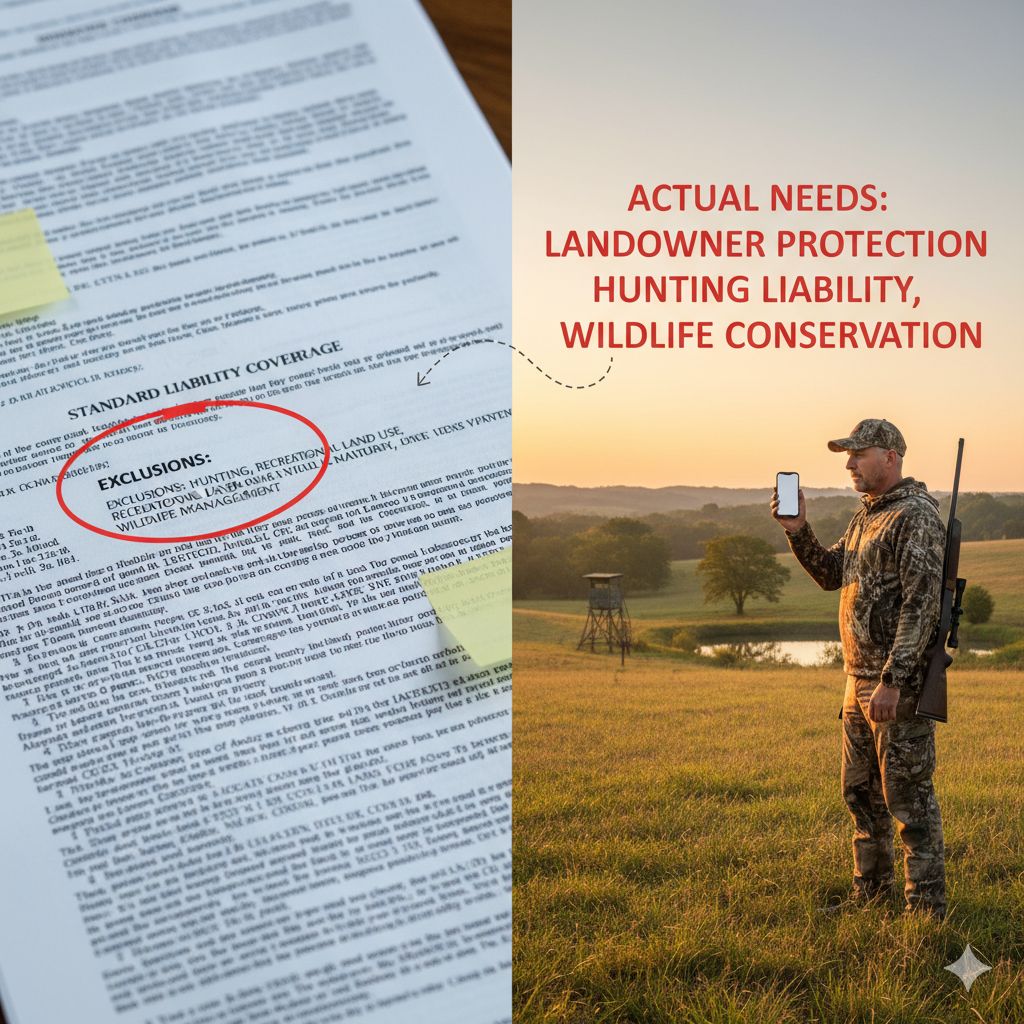
Most standard homeowner policies do not cover commercial activities like hunting leases, especially if you charge more than $500/year. You may need a separate landowner liability policy or require hunters to carry their own insurance.
Can I hunt on Sunday in West Virginia?
Yes! As of 2021, Sunday hunting is legal statewide in West Virginia for all game species. This is a major advantage over neighboring states.
Is baiting legal in West Virginia?
Yes, but with restrictions. You cannot hunt within 200 yards of bait with a centerfire rifle during buck firearms season. Archery, muzzleloader, and other weapons can hunt over bait. Check current DNR regulations for details.
How do I mark my property boundaries in WV?
West Virginia recognizes:
- Posted signs every 500 feet along boundaries
- Purple paint marks on trees/posts (4-6 inches tall, 3-5 feet off ground)
- Orange paint also acceptable
Clear boundary marking prevents trespassing and protects all parties.
What's the best time to secure a hunting lease in WV?
Start looking in January-March for fall hunting season. The best properties get leased early, often by March or April.
Can I lease land that's enrolled in WV's Managed Timberland Tax Program?
Yes. Hunting leases are compatible with timber management programs. In fact, hunting lease income can help offset management costs while maintaining your tax benefits.
Do I need liability insurance as a landowner?
While WV's recreational use statute provides some protection, requiring hunters to carry liability insurance is the best practice. Consider your own landowner policy if you charge more than $500/year.
How do I find hunters for my West Virginia property?
- List on hunting lease platforms (like HuntLease)
- Post in local hunting groups
- Reach out to hunting clubs
- Ask local sporting goods stores to share your listing
- Network with neighboring landowners
Ready to Lease Your West Virginia Hunting Property?
Whether you're a landowner looking to generate income from underutilized acres or a hunter seeking exclusive Mountain State access, West Virginia offers some of the best value in eastern hunting.
For Landowners: Your property has value. Even rough, remote acreage can earn $1,500-$3,000+ annually. That's your property taxes paid for—or better yet, pure profit.
Calculate your property's value in 30 seconds:
For Hunters: West Virginia combines affordability, abundant game, and diverse terrain. With smart scouting and the right lease, you can experience quality hunting without the premium price tags of neighboring states.
Browse available WV properties:
About HuntLease
HuntLease connects West Virginia landowners with quality hunters. We help landowners list properties for free, and we help hunters find exclusive access at fair prices.
For Landowners: List your property in 3 minutes. Reach hundreds of hunters actively searching for WV leases. LIST NOW
For Hunters: Browse verified properties, contact landowners directly, and scout virtually with our upcoming mapping tools. Listings
Questions? Contact us at [email protected]
Last Updated: October 31, 2025 Disclaimer: This guide is for informational purposes only. Hunting regulations and lease laws may change. Always verify current regulations with the West Virginia Division of Natural Resources and consult legal/tax professionals for specific situations.